
The Financial Landscape of Commercial & Industrial Solar in Malaysia
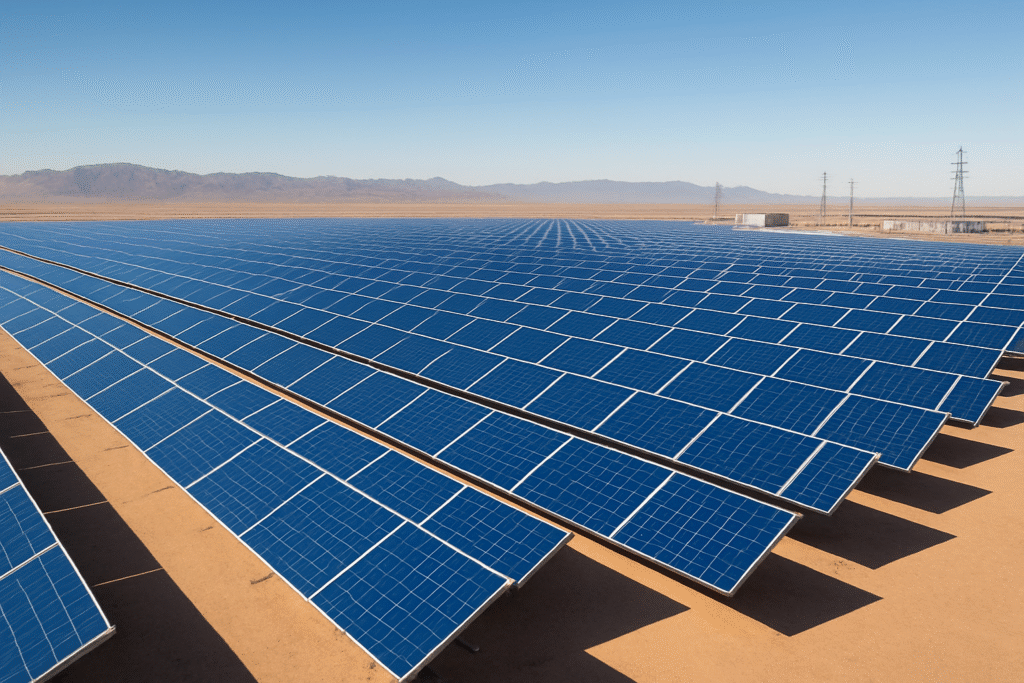
Commercial & Industrial Solar PV Investment in Malaysia
The Commercial and Industrial (C&I) sector is the fastest-growing segment for solar photovoltaic (PV) deployment in Malaysia. Driven by rising electricity tariffs, corporate sustainability goals, and clear regulatory mechanisms, C&I solar offers immediate operational cost savings and a stable, long-term return on investment (ROI). This focus aligns directly with the goals outlined in the National Energy Transition Roadmap (NETR), positioning solar as a foundational pillar for industrial decarbonization.
Power Purchase Agreements (PPAs) as the Core Investment Model
The most prevalent and successful financial model for large-scale C&I solar deployment is the Power Purchase Agreement (PPA). Under a PPA, the project developer funds, builds, and maintains the solar system, selling the generated electricity to the end-user (the commercial entity) at a fixed, discounted rate for a long-term tenor (typically 15 to 25 years). This model bypasses the need for the off-taker’s upfront capital investment.
Key PPA Terms for Bankability
The viability of a solar investment hinges on the PPA structure:
- Tenor: Longer tenors (20+ years) increase project bankability by securing guaranteed revenue streams.
- Escalation Rate: A carefully managed, modest annual rate of increase in the energy tariff (usually 1-3%) safeguards the developer against inflation while still maintaining a substantial discount compared to grid electricity tariffs.
- Tariff Pricing: The PPA rate must provide a significant cost reduction (15-30%) compared to the current utility tariff to remain attractive to the end-user.
Regulatory Framework and Incentives
Malaysia has established clear frameworks to support C&I solar adoption, reducing regulatory risk for investors.
- Net Energy Metering (NEM): This scheme allows users to export excess solar energy to the grid and receive credit on their monthly bill at the prevailing commercial tariff rate (on a 1-to-1 basis).
- Solar Leasing and Direct PPA: The framework permits direct sale of electricity generated from solar to end-users, facilitating the PPA model.
Future Alignment with New Energy Carriers
Solar PV is the backbone of future renewable energy carriers. The large-scale deployment of solar in Malaysia creates the necessary renewable power base to support energy innovation.
Solar power, especially when coupled with utility-scale energy storage, will be critical for generating Green Hydrogen, creating a new industrial segment for the export of clean fuel.
Let us Find You contacts of
Awarded EPCC, Consultants, Application Contractors
Frequently Asked Questions (FAQs) on C&I Solar PV Investment
The single most critical factor is the successful structuring of the Power Purchase Agreement (PPA) combined with efficient TNB grid integration. Profitability is fundamentally determined by the PPA’s terms, including the tariff, escalation rate, and tenor. However, the primary execution challenge—and risk—lies in navigating the technical requirements for grid connection, particularly for systems over a certain capacity.
The PPA is the preferred model because it bypasses the need for the off-taker’s upfront capital investment (CAPEX). The project developer funds, builds, and maintains the solar system, selling the generated electricity to the commercial entity at a fixed, discounted rate, making solar adoption financially risk-free for the end-user.
Longer tenors, especially those 20+ years, are crucial for increasing project bankability. They secure guaranteed, stable revenue streams over an extended period, which helps developers and financiers secure project funding at favorable rates.
A modest annual escalation rate (typically 1%-3%) is built into the PPA tariff to safeguard the developer against inflation and the rising costs of maintenance over two decades. Critically, this rate is managed to ensure the PPA tariff still maintains a substantial 15%-30% cost reduction compared to the rising utility grid tariffs, keeping the agreement attractive to the end-user.
NEM is a crucial incentive that allows C&I users to export any excess solar energy generated back to the utility grid. They receive credit on their monthly electricity bill for this exported power at the prevailing commercial tariff rate on a 1-to-1 basis, maximizing the financial return on their solar investment.
The regulatory framework explicitly permits Solar Leasing and Direct PPAs, which allow the direct sale of electricity generated from a solar system to the end-user. This clearance is essential for investors to deploy the PPA model commercially.
Solar PV is considered the backbone of future renewable energy carriers. The large-scale deployment of solar creates the necessary renewable power base which, when coupled with utility-scale energy storage, will be critical for generating Green Hydrogen, thereby establishing a new industrial segment for the export of clean fuel.
Related Technical Deep Dives
BESS Deep Dive for Investors & Developers
BESS for Revenue Stacking and Grid Stability in Malaysia’s Energy Transition
Data centres: Opportunities in Malaysia’s Green Digital Hub
Hyperscale Data centres for M&E consultants
Bioenergy Deep Dive: Securing Feedstock and Generating Dispatchable Power
Bioenergy and Waste-To-Energy for M&E consultants
CCUS & CO₂ Storage Hub Malaysia: Investment, Tax Incentives
Hydrogen Infrastructure and Supply Chain Opportunities in Malaysia